


Flexible plastic policies are now firmly on the agenda. As part of Simpler Recycling reforms, the UK Government will require all local authorities to collect flexible plastics from households by 2027.
Early research from the FlexCollect project highlights the difficulty in collecting, transporting and processing this material at scale. In a recent CIWM meeting in York, Gareth Morton of Ecosurety Ltd explained that, amid these systemic challenges, one of the most impactful things householders can do for flexible plastic pollution is to use their local refill shop.
This article looks at the refill shop model in the UK, exploring how refill shops fit into wider efforts to reduce plastics, why many struggle to scale, how public perceptions may hold them back, and whether local authority support could help unlock their potential.
What Are Refill Shops?
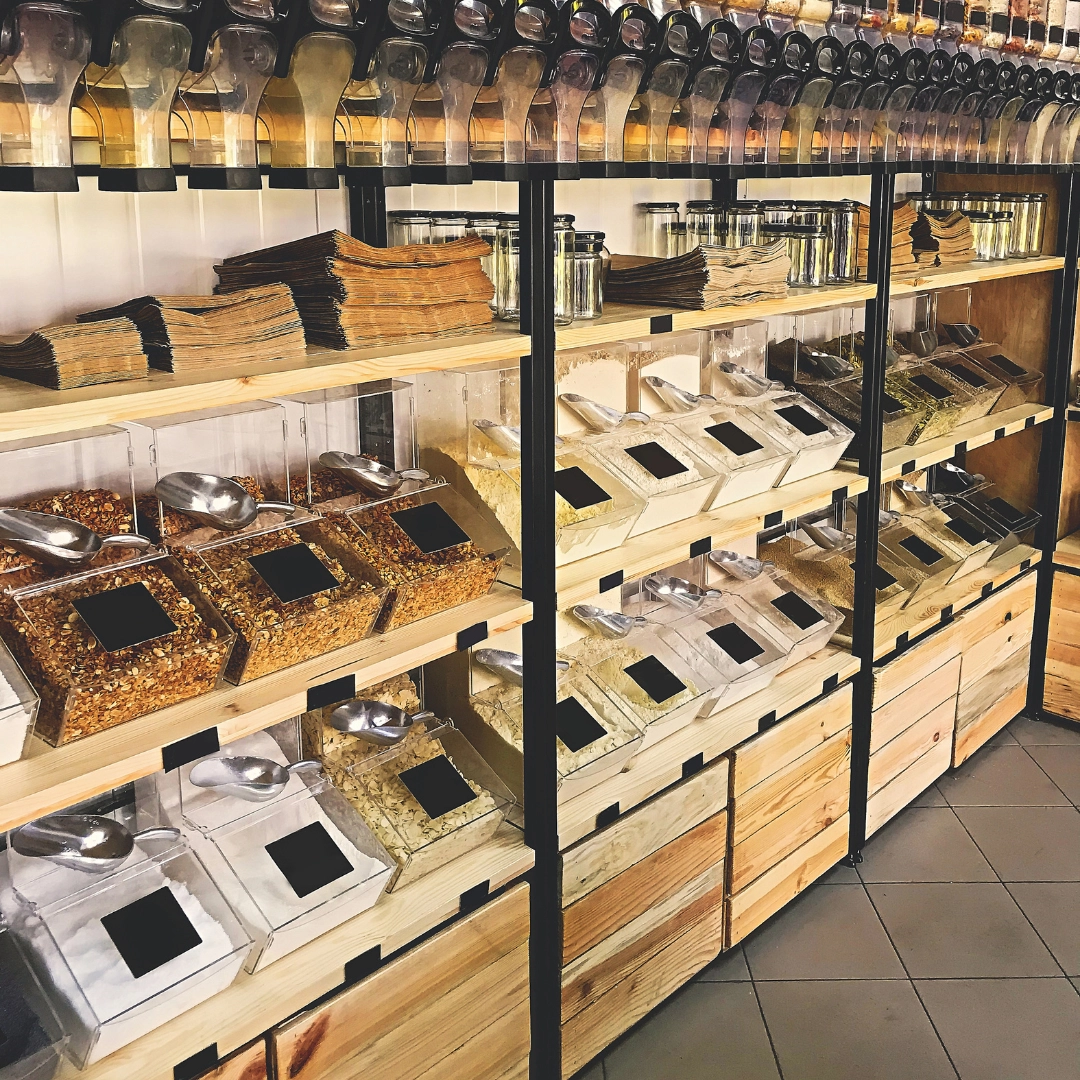
Part of a broader zero-waste movement that emphasises sustainable, circular consumption, refill shops are independent or community-oriented stores where customers bring their own containers to fill with products such as cereals, oils, cleaning supplies and personal care items.
The goal is straightforward: minimise single-use packaging and make reuse a practical alternative to buying packaged goods. With hundreds dotted around the country, these stores are accessible to a large swathe of the community.
Why Refill Shops Matter for Plastic Reduction
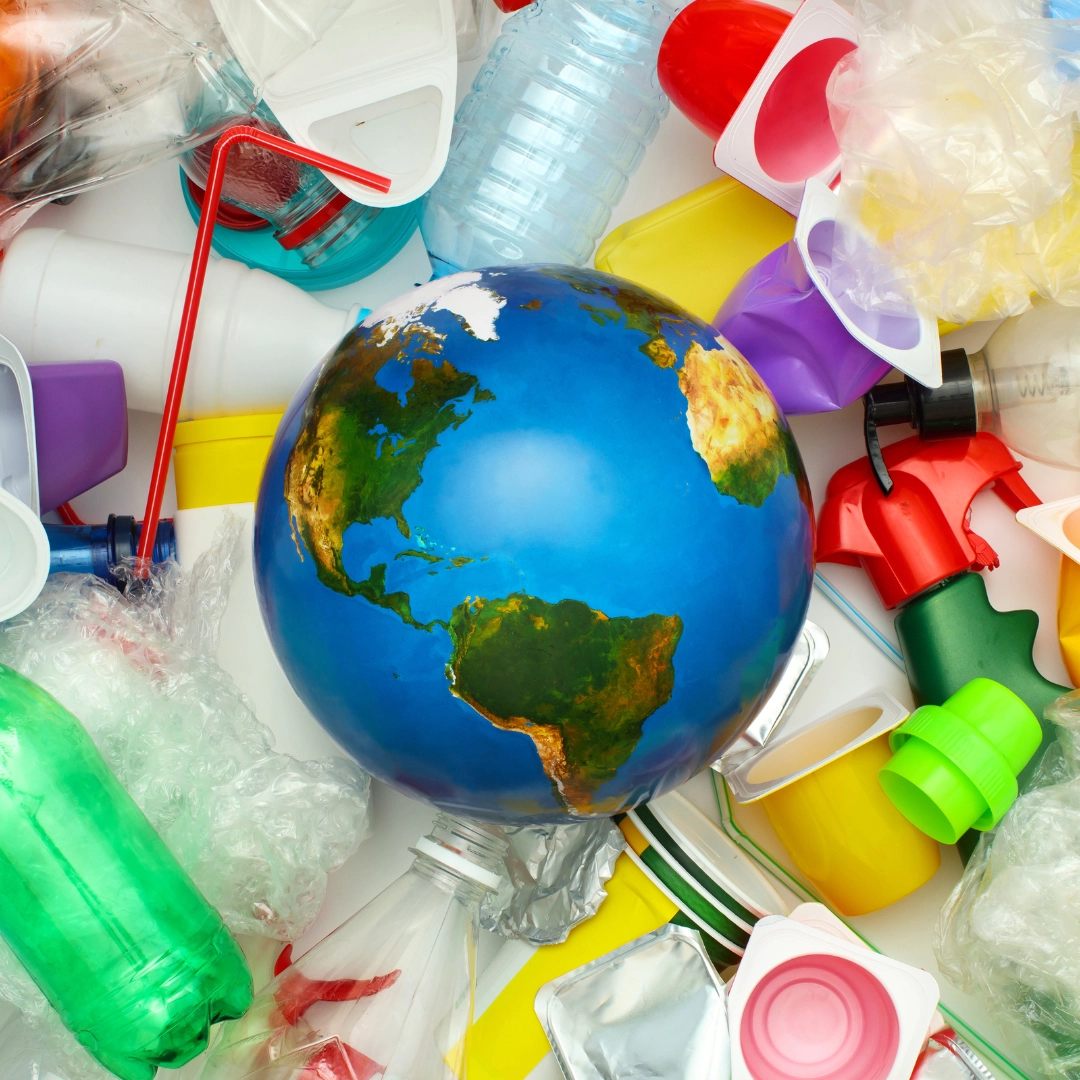
Plastic pollution remains a high-profile environmental concern. National surveys show that most UK consumers are worried about plastic waste and want more reuse and refill options.
In research by GoUnpackaged, 68% of respondents said they would incorporate reuse or refill systems into their weekly shops if made convenient, and half said they prefer shopping with brands that offer this option.
Similarly, behavioural studies indicate that people are already taking action to reduce plastic use with reusable shopping bags, bottles and containers becoming more common habits. This suggests an underlying readiness to adopt refill behaviours when made easily accessible.
Based on the evidence, refill shops are not just niche sustainability icons. In theory, they provide a tangible way to reduce single-use packaging, complementing municipal recycling systems and broader waste-reduction policies such as Extended Producer Responsibility (EPR).
Successes: What Works Well
Some refill shops have managed to build strong local followings and stay open for years. As per this example in St Leonards, owners often report deep community engagement and describe customers returning regularly – often valuing the social interaction and the chance to learn new sustainable habits.
Successful shops often stock a broader range of products over time, from loose herbs and spices to plant milks on tap, showing adaptability and innovation in product choice.
Despite trials by major supermarkets proving challenging (more on this later), some larger retail experiments have indicated strong consumer interest in refills. For example, collaborations between supermarkets and sustainability groups have run pilots where refill stations allow customers to decant products into reusable containers. These experiments suggest there is appetite for the model among the public.
Challenges: Why Refill Stores Struggle
Despite a passionate core of supporters, many refill shops find it hard to thrive financially or grow beyond a limited local customer base. There are several reasons for this:
Shopping in refill stores is more time-consuming than a quick supermarket visit. Weighing containers, organising reusable jars and searching for products takes more effort than picking up pre-packaged goods. Many mainstream shoppers, even environmentally motivated ones, prioritise convenience over sustainability when under time pressure.
Evidence shows that while people support refill in principle, long-standing shopping habits and the convenience of traditional retail pose real barriers.
Public surveys suggest that the biggest reason people do not use refill shops is simple: they don’t live close enough to one. In one survey, 67% of people who hadn’t used a refill shop or station said that this was the main reason.
Independent refill shops often lack the purchasing power of national supermarkets. They pay more per kilo for products and face narrow profit margins. While refill products may be competitive on a per-unit basis, overheads, rent and wages in the high street environment add cost pressures that many small businesses struggle with.
The broader retail sector in the UK is under strain, with high operating costs and challenging economic conditions leading to many store closures across categories. Refill shops are not immune to these pressures, and some have closed despite strong local support.
The recent closure of a refill shop in Essex highlighted how rising costs and resource constraints can force even committed shop owners to shut up shop.
Major supermarkets have trialled refill stations, but these schemes haven’t lasted well. Many are wound down due to operational and commercial difficulties, including low customer engagement and concerns around cost and convenience. This suggests that scaling refill models within mainstream retail remains unlikely for now.
Public Perceptions: What Holds People Back?
Alongside practical challenges, perceptions also affect uptake. Some shoppers see refill shops as niche or “eco-warrior” spaces rather than mainstream retail options. Others find the process unfamiliar or confusing, especially when containers must be cleaned, weighed and managed differently in each shop. Even motivated consumers may feel uncertain about how to integrate refill shopping into their regular routines.
Perception is also linked to visibility. Most refill shops are not well advertised and can be physically distant from everyday shopping routes. This means they remain outside most people’s natural shopping patterns, reinforcing the idea that they are “not for me”.
The Refill Market: Booming or Struggling?
Market analysis paints a mixed picture. Some reports describe a refill “boom”, with refillable options gaining attention and stores opening across the UK in recent years. However, on-the-ground experience shows that many independent shops struggle to keep their doors open without sufficient footfall or broader systemic support.
It seems that consumer interest is growing: public surveys consistently show broad concern about plastic pollution and strong support for refill and reuse options. But the retail infrastructure, consumer habits, and wider policy environment have not yet aligned to make refill shops a mainstream sector.
Should Local Authorities Help Refill Shops?
Given the potential role refill shops can play in reducing plastic waste, there is a case for local authority support. This might include:
Support could help bridge the gap between strong public environmental intentions and the everyday habits that currently favour convenient, single-use packaging.
A Tool, But Not a Silver Bullet
Refill shops are not a silver bullet for the UK’s plastic waste challenge. They are one tool in a broader toolkit – however, refill shops can play a meaningful role in shifting behaviours and reducing demand for single-use plastics.
If local authorities recognise their potential and support their viability, refill shops could become more than niche sustainability hubs. They could become part of a more circular, resilient retail setup that aligns consumer behaviour with environmental goals.
As councils prepare for new plastics collection duties and producers face rising responsibility under Simpler Recycling, encouraging refill and reuse at community level could help reduce the volume of waste entering collection streams in the first place.
For many consumers, using a refill shop may be one of the simplest ways they can reduce plastic waste today – even if it does mean a change in habits.
Would you like to know more about Are Refill Shops a Realistic Solution to Reduce Plastic Waste?? Fill in your details below and let us know how we can help.


© 2026 Suite 3A, Chapel Allerton House, 114 Harrogate Road, Leeds, LS7 4NY
ukinfo@integrated-skills.com | +44 (0) 3300 888 670
Website Designed & Built by we are CODA


