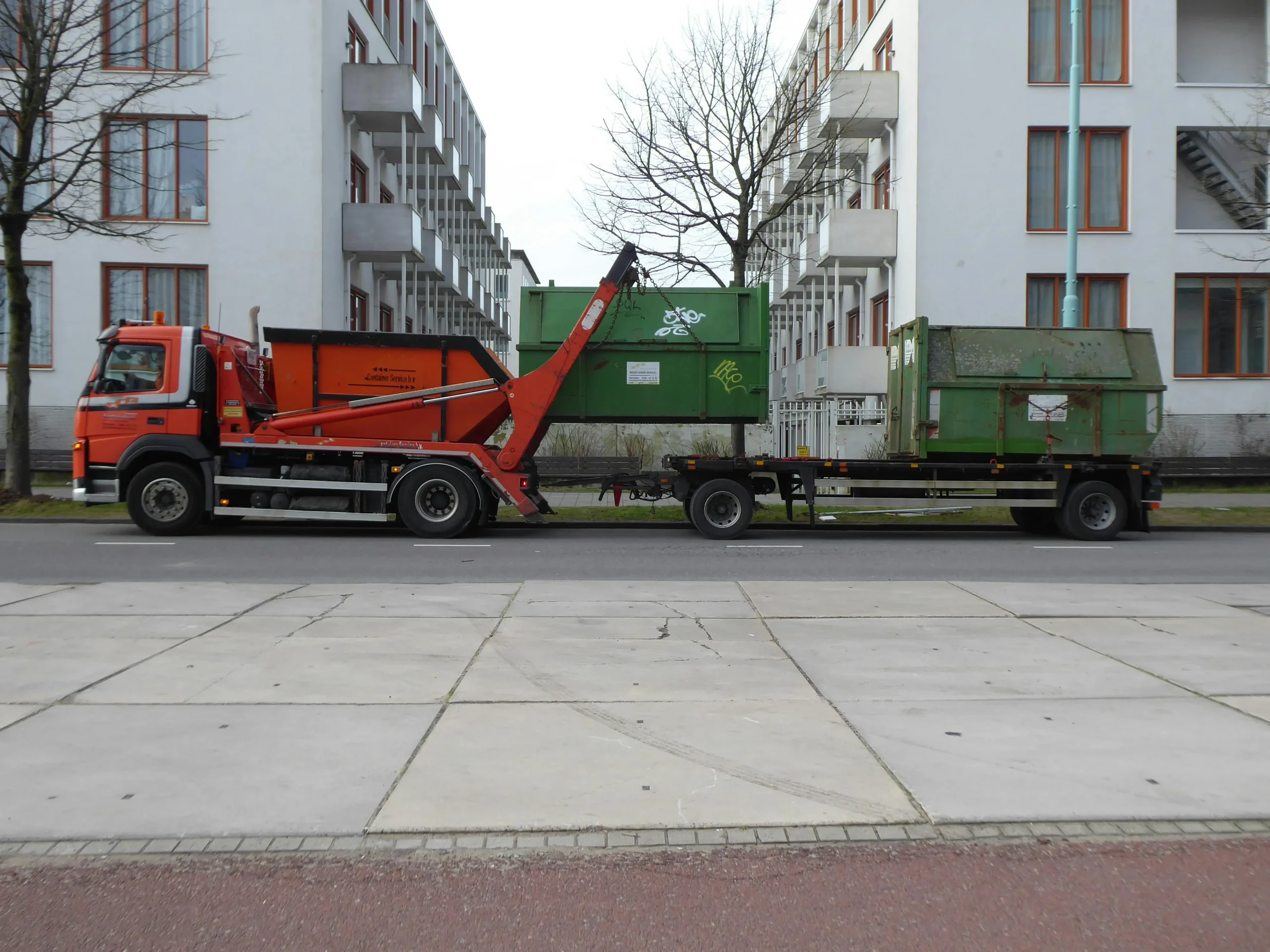
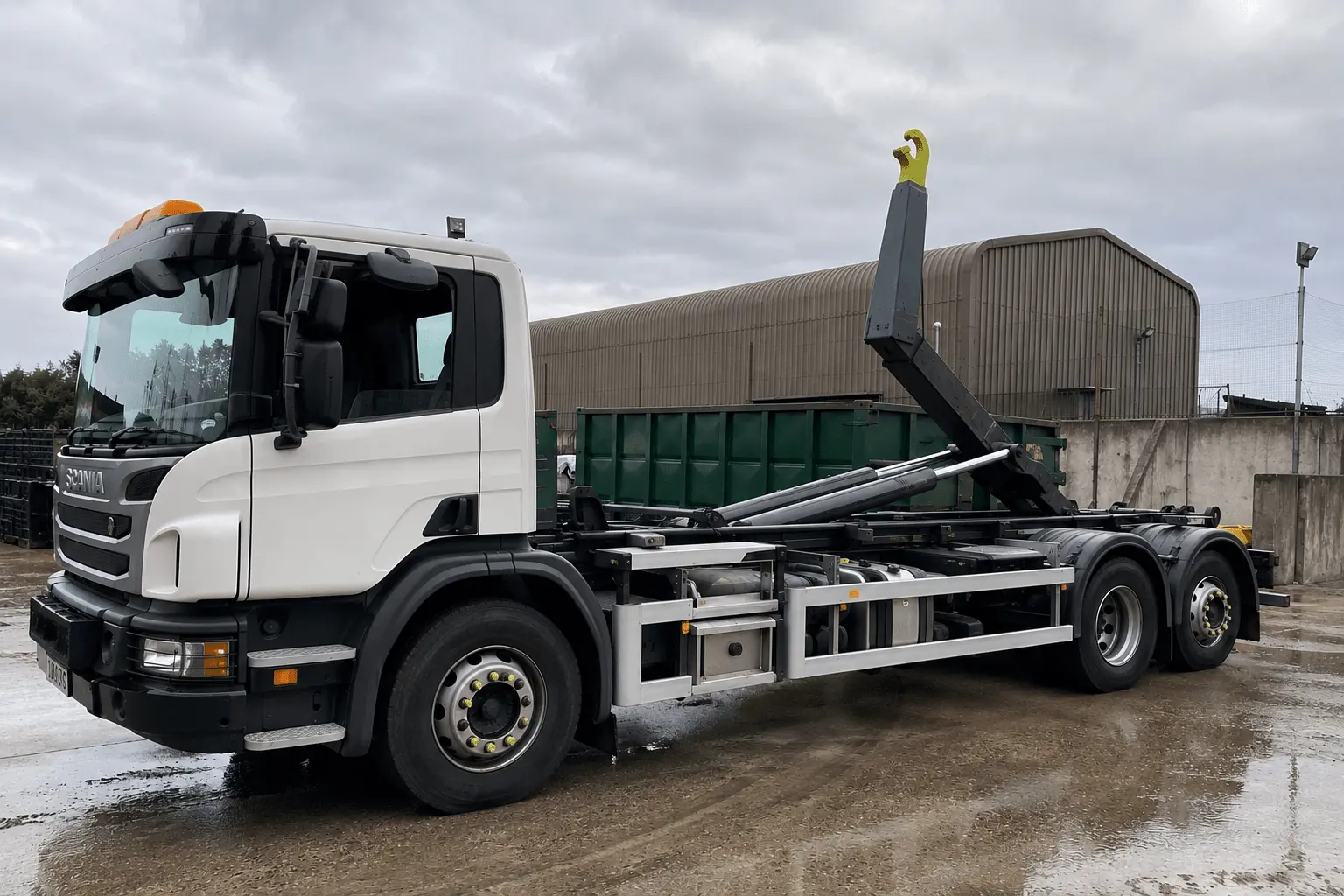
Achieving Measurable Returns from Predictive Route Optimisation in UK Hooklift and Container Transport Operations
The UK’s commercial waste and recycling sector continues to face increasing operational pressures. Rising labour costs, vehicle utilisation challenges, tightening service expectations, fuel price volatility and growing sustainability requirements are all placing greater emphasis on operational efficiency.
For businesses operating hooklift, skip and container transport fleets, these challenges can be particularly acute. Unlike scheduled municipal collection services, container movements are inherently dynamic. Customer requests change throughout the day, container availability fluctuates, traffic conditions vary and operational priorities often need to be adjusted at short notice.
In this environment, traditional planning methods can struggle to keep pace.
The Complexity of Container Transport Operations
Many waste management businesses still rely on a combination of dispatcher experience, local knowledge and manual route planning tools to manage daily operations. While these approaches can be effective, they can become increasingly difficult to scale as fleets grow and service demands become more complex.
Typical operational challenges include:
- Balancing vehicle utilisation across the fleet
- Reducing unproductive mileage
- Responding efficiently to same-day customer requests
- Managing container inventory effectively
- Minimising driver overtime
- Maintaining service levels during periods of peak demand
Even small inefficiencies, when repeated across multiple vehicles and hundreds of daily movements, can have a significant impact on operating margins.
Moving Beyond Reactive Planning
Modern route optimisation technology enables organisations to move from reactive dispatching towards a more predictive and data-driven approach.
Rather than simply determining the next available job for a vehicle, advanced optimisation algorithms can evaluate multiple operational variables simultaneously, including:
- Vehicle capacities and configurations
- Container inventory and availability
- Driver working time regulations
- Customer service commitments
- Traffic patterns and travel times
- Disposal and transfer facility locations
- Operational priorities and business rules
This allows planners to evaluate thousands of potential routing scenarios within seconds and identify the most efficient operational plan.
The Value of Predictive Routing
Predictive routing takes this process a step further by incorporating anticipated demand and operational patterns into planning decisions.
By analysing historical service data alongside current operational requirements, businesses can gain greater visibility into likely future workloads and resource demands.
The result is often:
- Improved vehicle productivity
- Better resource utilisation
- Reduced empty running
- Lower fuel consumption
- More consistent service delivery
- Increased planner productivity
- Greater operational resilience
Importantly, these improvements are achieved without compromising customer service.
Delivering Practical Business Benefits
For most waste management businesses, route optimisation is not simply a technology investment; it is an operational improvement initiative.
Successful implementations typically focus on measurable business outcomes such as:
- Increased collections or exchanges per vehicle per day
- Reduced fleet requirements
- Lower transport costs
- Improved customer responsiveness
- Better utilisation of drivers and assets
- Reduced environmental impact
These benefits can often be quantified, allowing organisations to establish a clear return on investment and track performance improvements over time.
A Strategic Tool for a Competitive Market
The UK’s commercial waste and recycling market remains highly competitive. Organisations that can consistently deliver reliable service while controlling operational costs will be best positioned for long-term success.
Predictive route optimisation provides fleet operators with the ability to make more informed planning decisions, improve operational visibility and maximise the productivity of valuable assets.
For hooklift, skip and container transport operations, the opportunity is not simply to automate existing planning processes. It is to create a more efficient, responsive and scalable operation capable of meeting the demands of an increasingly challenging market.