Across England, existing county, district and borough councils are being brought together into new unitary structures; creating single authorities responsible for a huge range of local services.
The scale of the changes is made clear by the Government’s live updates page. Decisions have been announced for 19 of the 21 areas going through Local Government Reorganisation, with the confirmed plans creating 57 unitary councils.
But waste collections, street cleansing, grounds maintenance and other frontline services cannot be joined together overnight. New unitary authorities may inherit several different ways of working, supported by different technology, depots, fleets, contractors and operational policies.
The challenge is not simply to combine them but to decide what the new service should look like, and build the systems, data and operational structure needed to deliver it.
The Operational Challenges Facing New Unitary Councils
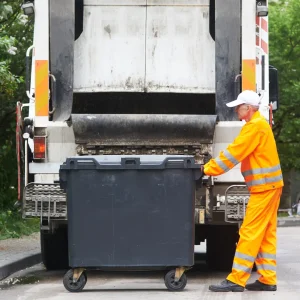
When neighbouring councils become one, the new authority can inherit a complex mix of legacy arrangements. Waste and recycling services are a clear example. Former council areas may operate different collection frequencies, use different containers and accept different materials. Food waste arrangements may vary, as might policies for assisted collections, bulky waste, garden waste and commercial waste.
Behind these visible differences are further operational variations:
- Each authority may use its own ICT systems and databases.
- Depot locations and fleet arrangements may have developed around historic boundaries.
- One service may be delivered in-house while another is outsourced, with contracts ending at different times.
Existing collection rounds are also likely to have been designed around the boundaries and resources of the former authorities. Once those boundaries disappear, they may no longer represent the most efficient way to serve the new area.
People are another important part of the picture. Staff restructuring, TUPE transfers and changes to management structures may all form part of the transition. Different teams can also bring different working practices, processes and local knowledge.
The immediate priority must, of course, be continuity. Residents still need their bins collected and streets maintained throughout the transition. However, LGR also creates an opportunity to look beyond maintaining existing arrangements and consider how services could be delivered more smoothly as part of a single authority.
The Need for a Single Operational View
One of the first challenges for a new unitary authority is gaining a clear view of what is happening across its newly combined area. If operational information remains fragmented between legacy systems, spreadsheets and databases, it becomes difficult for managers to understand performance across the authority as a whole.
The same property could potentially be represented differently in separate systems, while teams may record jobs, exceptions and service outcomes in different ways. Creating a common operational view can help remove these barriers.
Integrated Skills’ SmartSuite is designed to provide a single source of truth for environmental services, allowing councils to manage multiple services through one platform. SmartSuite can support waste and recycling collections alongside services such as street cleansing, winter maintenance and gully emptying. Bringing this information together gives managers greater visibility of what is happening across operational teams and provides a more consistent basis for reporting.
During LGR, this can be particularly valuable. Reliable operational information allows councils to compare inherited services, identify differences and make evidence-based decisions about the future model.
Importantly, that value continues after the transition. A single operational view can help the new authority monitor performance, identify problems and continue improving services long after vesting day.
Harmonising Service Delivery Across the New Authority
Creating one authority does not mean that every service needs to become identical immediately. There may be good reasons for retaining some local differences – particularly during transition.
Existing contracts, vehicle availability, infrastructure and local geography can all affect the pace at which services can be harmonised. However, where standardisation is planned, LGR provides an opportunity to reconsider how services are designed.
Once several areas become one authority, historic boundaries may have little operational relevance. A depot that once sat at the edge of one council area, for example, could occupy a very different position within the new authority. This is where strategic route optimisation can support the transition.
Using RouteSmart Optimize and related solutions in the route optimisation suite, councils can model collection rounds and street services across the new operating area rather than simply joining existing rounds and services together. Different scenarios can be tested before changes are introduced. For example:
- What would happen if collections were operated from fewer depots?
- Could vehicles work across former council boundaries?
- How would changing waste & recycling collection frequencies affect the number of rounds required?
- Could workloads be balanced more evenly between crews?
Effective route optimisation can help balance workloads, reduce unnecessary mileage, make better use of fleet resources and create rounds that reflect the needs of the new authority, rather than the boundaries of the old ones.
Managing More Than Waste Services
Waste and recycling may be one of the largest frontline operations inherited by a new unitary authority, but it is far from the only one. A new council may also need to manage:
- Trade waste
- Street cleansing
- Grounds maintenance
- Winter maintenance
- Gully emptying
- Inspections and reactive jobs
- Emergency planning and response
Running each of these services through separate systems can create unnecessary duplication. Staff may need to move between different applications, managers may receive reports in different formats, property and customer information can be duplicated, and jobs that involve more than one team become harder to track.
A common operational platform offers a different approach. By managing multiple environmental and neighbourhood services through SmartSuite, authorities can create more consistent processes and gain a broader view of activity across their area. This can also make it easier to allocate resources and understand how different services interact.
For a newly formed unitary council, the opportunity is therefore greater than simply replacing several waste systems with one. LGR can provide the catalyst for considering how technology supports environmental services across the whole authority.
Data Integration and Digital Transformation
Technology consolidation does not necessarily mean replacing every existing system. The challenge is enabling these systems to communicate effectively. Legacy systems may contain conflicting property records, different naming conventions or disconnected service histories.
Resolving these issues takes careful planning, but it also creates an opportunity to improve the quality and usability of operational data. SmartSuite provides APIs that allow integration with other applications, including:
- CRMs
- Telematics
- Finance systems
- Weighbridges (for waste tracking)
- Bin sensors
Property-level service histories can provide a clearer picture of what has happened at an individual address, while centralised reporting and analytics can help managers understand wider patterns.
This moves digital transformation beyond simply putting existing processes onto new software. It creates the opportunity to reconsider how information moves through the organisation and how it can support better operational decisions.
Supporting Frontline Workers Through Transformation
LGR is an organisational change, but its success relies on the people delivering services on the frontline. Drivers and operatives may find themselves working across a larger geographic area, routes may change, teams may be combined, and familiar processes could be replaced by authority-wide procedures.
Clear communication between frontline teams and management becomes especially important during this period. SmartSuite Mobile can support this connection in the field. Turn-by-turn navigation can help crews work confidently across unfamiliar areas, while service verification creates a clear record of completed activity.
Mobile job management and real-time operational updates allow information to move between the office and frontline teams without relying on paper-based processes or separate communications. Two-way messaging also provides a direct way to share important information with crews.
The Role of Professional Services
Before choosing how systems, routes or services should operate, councils need to understand what they have inherited and what they want the future authority to achieve.
Professional support can help councils assess existing operations, analyse route performance and identify opportunities for improvement. Integrated Skills’ consultancy team can support the development of implementation roadmaps, helping authorities understand how changes could be phased while protecting service continuity.
Modelling is particularly valuable where several options are under consideration. Rather than basing major operational decisions on assumptions, councils can compare scenarios and quantify potential impacts on resources, mileage, cost and carbon emissions.
Change management is equally important. A technically efficient model still needs to work for staff, residents and the wider organisation. Bringing operational knowledge together with data analysis can help ensure proposed changes are both achievable and sustainable.
Turning Reorganisation into an Opportunity
The practical challenges of LGR should not be underestimated, but the shift also creates a rare opportunity. Authorities can use reorganisation to examine how frontline operations should work for the future; creating services that are easier to manage, more visible, resilient and efficient.
With the right operational data, technology, route modelling and professional support, LGR can provide the foundations for a genuinely integrated approach to local service delivery.
Integrated Skills supports local authorities through service transformation, from strategic modelling and route optimisation to operational technology and implementation support. Contact the Integrated Skills team to discuss how we can support your authority through Local Government Reorganisation.