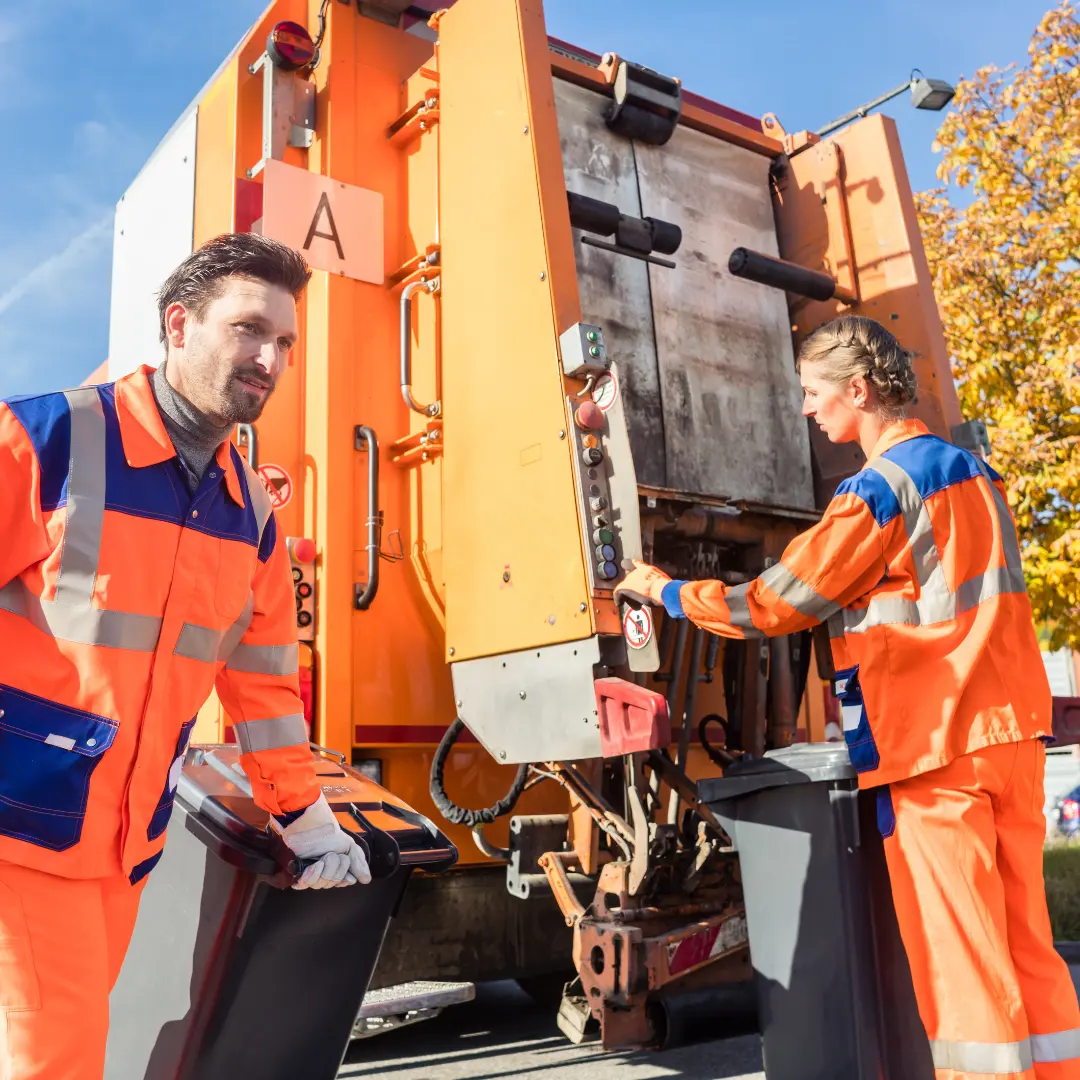
The rollout of weekly food waste collections across England is one of the biggest changes to household waste services in decades. Driven by the Government’s Simpler Recycling reforms, councils have invested heavily in new vehicles, food waste caddies, collection crews and public communication campaigns to support the transition. For many authorities, however, the implementation of food waste collections is only the beginning of the journey.
As food waste is removed from the residual waste stream, the composition and weight of general waste changes. At the same time, improved recycling habits can alter the volume of dry recyclables collected. These shifts present a valuable opportunity for Local Authorities to review collection routes, optimise fleet deployment and ensure resources are being used as efficiently as possible.
Rather than continuing to operate legacy collection rounds that were designed for a very different waste profile, councils have an opportunity to redesign services around today’s realities, delivering measurable savings in cost, emissions and operational efficiency.
Food Waste Changes Everything
Historically, residual waste has contained a significant proportion of food waste. Research by WRAP undertaken before food waste collections came into force consistently showed that food waste made up around 30% of the weight of the average residual household waste bin.
Integrated Skills’ own waste composition studies support this picture. Across numerous local authority projects handled before dedicated food waste collections were introduced, we discovered it not uncommon to find 2.5kg-3kg of food waste per household remaining within the residual waste stream.
Once households begin separating food waste, the change is immediate. Residual bins become noticeably lighter, even if their physical volume appears similar. While collection vehicles may continue to visit every property, they are often transporting significantly less weight than before. This creates spare capacity that many councils have yet to fully exploit.
More Than Just Food Waste
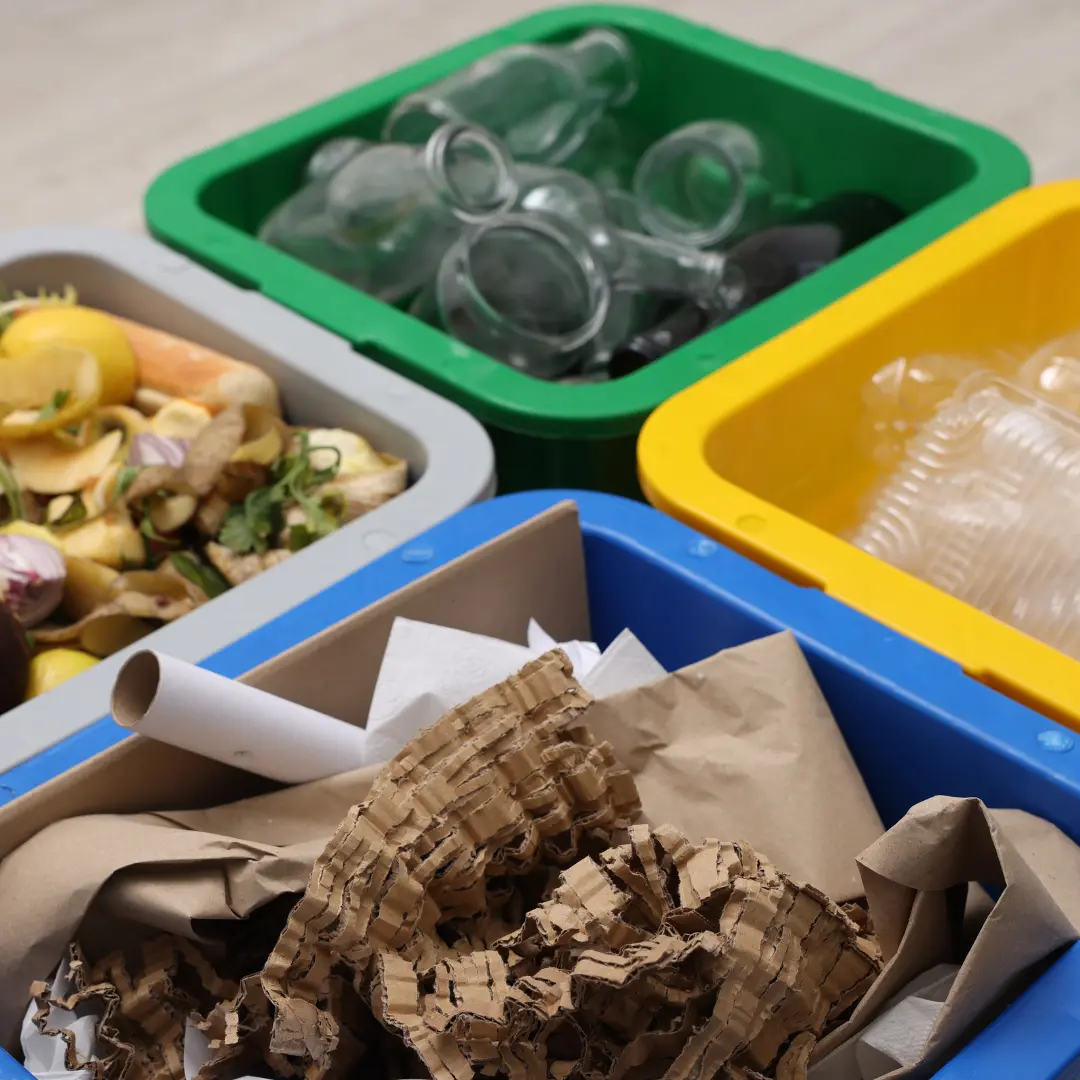
The benefits extend beyond the food waste stream itself. Research has shown that introducing dedicated food waste collections often encourages residents to recycle more of other materials as well.
This behavioural change is sometimes described as the “spillover effect” or “gateway effect”. Once residents develop the habit of separating food waste every week, they often become more engaged with recycling generally, leading to increased participation in collections for paper, cardboard, plastics and glass.
These improvements demonstrate that well-designed food waste services can influence wider recycling behaviour, helping councils improve overall recycling performance. While this is positive from an environmental perspective, it inevitably changes the demands placed on collection services.
Residual waste rounds may have excess capacity, while dry recycling rounds become busier, meaning vehicle utilisation, crew workloads and collection frequencies that were once well balanced may no longer reflect current waste generation.
Are Legacy Routes Still Fit for Purpose?
Many existing collection rounds have evolved over years, sometimes decades. They have been adapted as housing developments have grown, service standards have changed and new legislation has been introduced.
Food waste collections represent another significant change, yet in many areas, new food waste rounds have simply been added alongside existing residual and recycling services, rather than prompting a wider review of the overall collection strategy.
This approach may have allowed councils to introduce the new service quickly, but it may not deliver the best long-term outcome. Questions worth asking include:
- Are residual waste vehicles still reaching their optimum payload?
- Could routes be consolidated now that black bin weights have reduced?
- Has additional recycling participation created pressure on dry recycling collections?
- Are vehicles, crews and depots being utilised as efficiently as possible?
- Could collection frequencies be reviewed without affecting service quality?
Answering these questions requires robust data and detailed route modelling, rather than assumptions.
Unlocking Hidden Capacity
Unused vehicle capacity represents a hidden opportunity. If residual waste vehicles are returning to depot carrying significantly lighter loads, then councils are effectively paying to operate capacity they no longer need.
Through detailed analysis of waste composition, vehicle payloads, collection times and route performance, authorities can identify where efficiencies exist. These efficiencies might include:
- Reducing the number of residual waste rounds
- Redistributing properties between crews
- Balancing workloads more effectively
- Increasing productivity without increasing resources
- Reallocating vehicles and crews to growing recycling services
Reduced mileage means lower fuel consumption, reduced vehicle wear and lower carbon emissions. Better-balanced rounds also improve crew productivity and help reduce overtime. Even relatively small improvements can generate substantial financial benefits when applied across an entire authority.

Better Data Leads to Better Decisions
Effective optimisation is not simply about shortening routes. A successful review considers a wide range of operational factors, including:
- Vehicle capacities
- Collection frequencies
- Housing stock
- Access restrictions
- Crew working hours
- Disposal locations
- Traffic conditions
- Seasonal variations
By analysing these factors and bringing them together into one picture, councils can build routes that make the best use of available resources while maintaining service standards.
Optimisation is of course an ongoing process rather than a one-off task. As participation rates change, housing developments are completed and recycling behaviours evolve, routes should be reviewed to ensure they remain efficient.
Supporting Simpler Recycling
The Government’s Simpler Recycling reforms are intended to improve recycling performance and reduce the amount of recyclable material sent for disposal. For councils, success will not simply be measured by introducing successful food waste collections. Long-term success will depend upon how effectively authorities adapt the rest of their collection services to reflect the changing waste composition.
Continuing to operate routes based on historic waste volumes risks missing an opportunity to realise significant operational savings. Instead, food waste collections should be viewed as the catalyst for a wider service review.
How Integrated Skills Can Help
Integrated Skills has extensive experience supporting Local Authorities through service transformation, route reviews and operational optimisation.
Using RouteSmart Optimize, councils can model different collection scenarios before making operational changes. Routes can be redesigned to reflect changing waste composition, available vehicle capacity and revised collection requirements, ensuring crews are balanced and vehicles are used efficiently.
Our consultancy team also works alongside authorities to analyse existing services, identify opportunities for improvement and develop practical implementation plans that minimise disruption while delivering measurable savings.
Whether authorities are introducing food waste collections for the first time or looking to maximise the return on recent investments, reviewing collection routes can unlock significant operational benefits.
Looking Beyond Compliance
Introducing weekly food waste collections has required significant investment from Local Authorities. New vehicles, containers, crews and communications programmes all represent major commitments of public funding. The next step is ensuring those investments deliver maximum value.
Food waste collections represent an opportunity to rethink how waste collection services operate – using modern route optimisation and operational analysis to build services that are more efficient, more sustainable and better prepared for the future.
By reviewing collection routes in light of changing waste composition and recycling behaviour, councils can reduce costs, improve fleet utilisation, lower emissions and create more resilient waste services.